
GOLF ADVICE FOR JUNIOR GOLFERS FROM 133 FORMER COLLEGE GOLFERS
College Golf Report Chapter 3
"Love the game. I play on the Korn Ferry and still have the same feeling of getting out of class early in 6th grade to go play a middle school tournament."
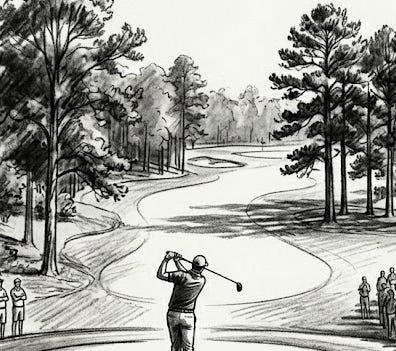
I asked 133 former college golfers one final question:
"Do you have any open-ended golf advice for junior golfers?"
Their answers speak directly to the junior golfer. What they wish they'd known as junior golfers.
The Eleven Core Themes
1. Work Hard, But Work Smart (Most Common)
The most repeated advice: effort matters, but only if it's focused.
"You can't work hard enough. You will never be able to work hard enough."
"Everyone wants to win. What separates losers from winners isn't the desire to win, but the desire to work!"
"There is always someone working harder than you. Your scores don't care if you're tired, if it's raining or if some other excuse kept you from putting in the work. You need to always hold yourself accountable."
"Do.Your.Work. And stay true and honest with yourself and your personal team."
"Work smarter and harder than everyone else."
"Practice more with higher focus than the ones you surround yourself with. Its the only way to get better."
"Work hard on the right things to improve your game."
"Don't be lazy! Practice smart."
"Work as hard as you can, and the scores will come naturally."
"Work harder and smarter. It is very likely you're not doing either."
"Work your tail off. Doesn't matter where you play. Good golf is good golf and it'll get you noticed."
"Work your butt off!"
"Put in the work and time."
"You don't understand how hard you have to work in order to make it."
But then the caveat:
"Practice with patience and learn from better players."
"Balance out the amount you practice. Learn principles of deep practice. Practice with greater awareness."
"Identify a skill area in your game that needs improvement and dedicate a year towards improving that skill."
2. Compete, Don't Just Practice
Second most common: tournament golf is different from range golf. Find your own formula.
"Play as many tournaments as possible. Don't chase rankings but instead learn to compete and trust the process."
"Play every tournament you can find. You're never too good to tee it up and play any tournament."
"Play as many tournaments as you can, and learn how to grind out a round when you don't have your best stuff."
"Compete every day."
"Compete. Always have a competition."
"Play as many tournaments as you can."
"Go play in events all across the US if you can it'll prepare yourself for travel."
"Play as many tournaments as possible and Am tournaments with older guys."
"Once committed make sure to compete in amateur tournaments."
"Compete compete compete."
"Compete, don't try to be too perfect, learn to shoot a score."
"Learn to score by competing. Technique and talent will only get you so far."
"Go play golf, doesn't happen on the range."
"Play golf, not swing techniques."
"Play holes, that's where you learn. You rarely hit a normal 8 iron on the course, so why do it 100 times on the range."
"Play a lot of golf instead of practicing too much and you will learn a lot more about your own game. This will also prepare you to play many rounds in college."
3. Love the Game (Or You'll Burn Out)
Third theme: genuine love for golf sustains you through the grind.
"Love the game. I play on the Korn Ferry and still have the same feeling of getting out of class early in 6th grade to go play a middle school tournament. When I leave for the road now, it feels like I'm leaving 6th grade math class. Love the game, it's the best sport in the world but it's also the hardest. Take the lows because sadly there will always be more losses than victories. Find joy in the grind, that's the best part."
"Making and keeping golf fun is by far the most important thing. It doesn't have to be a grind all the time. Keep practice and playing fun."
"Remember why you play and make sure you have fun."
"Golf should always be fun!"
"Have fun practicing, competing, traveling etc."
"Have fun with the whole experience."
"Practice hard and have fun! Don't forget to make some friends along the way."
"Enjoy the game of golf and don't beat yourself up over it. There are so many highs and lows, so don't allow it to define who you are or determine your self worth."
"Go and have a blast. Best 4 years of my life (college golf)."
"As cheesy as it is, enjoy this time in your life. It is a privilege to spend your days walking around outside, doing something you love that can be good for your mind and body."
"Enjoy the grind."
"Keep it fun and always have a goal to work towards."
"Keep playing and grinding away. Play as much as you can and enjoy the process."
"Have fun playing; exploit your talent and love the game. There is a reason you have come this far."
"Never lose the reason why you started playing golf."
"Remember why you are playing the game. I think it's easy to think the only reason you are playing the game is to go to a college, but when you focus on enjoying the game and trying to compete and win tournaments everything else will take care of itself."
"Find love in winning and practices."
"Have fun with it. Be diligent and curious."
"Never forget to have fun and never forget why you do what you do!"
College golf is a step up in the serious-level of golf. Like it or not, certain aspects will feel more like a job than in junior golf. Protect your love for the game.

4. Short Game Is Rarely Elite
Overwhelmingly common: junior golf short games did not hold up in college golf.
"Short game and course management."
"Short game is key & don't take golf too seriously!"
"Be great inside 150 and develop a go-to fairway finding tee shot."
"Putt, putt, putt."
"Practice the mental game and short game."
"Less block practice and more short game."
"Get really good with your wedges and short game. Bogey avoidance is more vital than birdie chances."
"There is always more potential to be unlocked especially around your short game and its creativity."
"Being good with the wedges especially inside of 100m. This can always help to save strokes when hitting it poorly off the tee but also to make a lot more birdies."
5. Trust Yourself and Your Game
Multiple players emphasized owning your own game.
"Listen to yourself. Being 'coachable' is very much appreciated by the coaches, but you also can feel if a change in the golf swing or strategy is something you should do, so listen to yourself as well."
"Swing your own swing. Think deeply before any swing changes if it's the right thing to do."
"Just play your game."
"Be yourself and work on your strengths while slightly improve your weaknesses. No need to be perfect or reconstruct your whole game."
"Go your own way, there is no clear school-book recipe to become a great golf player, more than do your thing and fully believe that that will bring you to the top."
"Make sure you become an expert in your own game, you should know what it is that you do and why you do it. This will help you in the future to filter out advice that is not right for you."
"If you mentally prepare to hit a good shot you enhance the chances of it happening. Know the difference between practice/training and preparing to win golf tournaments."
6. Mental Game Matters as Much as Physical
"Everyone at a tournament knows how to hit a golf ball, but the guy that doesn't believe he will win will never win the tournament."
"Believe in yourself and keep working hard."
"Believe in yourself! You are good and you better believe it."
"Focus on your mental strength. If your mind is not focused, nothing will work."
"Get your body and mind right."
"Never get angry after a shot, if you do, don't let it mull for longer than 5 seconds."
"If you had a caddie that talked to you the way you talk to yourself would you fire them? If so, be kinder to yourself."
"A bad attitude will ruin a good golfer."
"Learn to have a good relationship with pressure situations!"
7. Avoid Burnout
Several players warned about burnout, especially early specialization.
"Play 2 sports for as long as possible. I have seen so many people travel to college and be burned out and done with golf within the first semester to year."
"Make sure you're willing to give up everything else in your life for golf." (Said as a warning, not encouragement)
"If you want to play college golf, play college golf. If you want to party and be a normal student do that."
"There's 3 points to a triangle and you can only do 2 of the 3. Golf, academics, social life. Make time for the two you truly care about most."
"Especially as Europeans, we are not used to the grass in the US. In the beginning, it takes time to adjust, so don't give up (it takes at least a semester). Also, it's important to have something outside of golf (paint, yoga, etc). College tends to be all about golf, so having time away from golf is essential."
"Who you are OFF the course will greatly affect who you are ON the course."
Golf can't be everything. You need balance to survive four years.
8. Be Patient with Development
Multiple players emphasized that improvement takes time.
"Be patient day-by-day. One day isn't going to change much in your golf game, one year will. And repeat."
"Work smarter and harder than everyone else. Make a plan and give yourself time to reach your goals."
"Never stop believing in myself, and no matter how hard you work, you may not always see results. But oftentimes it all clicks at once and you just have to be patient and diligent because that time is coming. You just don't know when."
"As long as you keep moving forward no matter how big or small, you're still moving forward."
"Learning is a long process."
9. Learn from Better Players
Seek out high-level competition and knowledge.
"Travel. Find the highest level of competition you can."
"Listen to people who are better than you."
"Practice with patience and learn from better players."
"Be relentless in seeking out high-standard people to help you. Have a thick BS-meter, and let just the best into your circle."
"Find something that you're good at and make it great. Once you've done that, go and find someone that is either a coach or player that is great at what you're bad at and learn from them."
"Surround yourself with competitive people on and off the course."
"What I've seen and experienced in professional golf is that many of the best players are more than willing to share their experiences, opinions and perspectives, rather than 'protecting' them. This in contrast to what I've seen in junior and amateur golf."
You become who you're around. Choose your circle wisely.
10. The Journey Matters
Multiple players emphasized appreciating the experience.
"Fall in love with the journey. College golf is a special time in your life. I had an incredible journey with lots of ups and downs."
"Take advantage of the opportunity. I regret to this day being so lazy and ungrateful for the opportunity I had to play at tech. Best four years of my life wish I could go back and do it again differently."
"These are some of the best years of your life, enjoy them, work hard and give yourself something to brag about in the future."
"College golf is a short period of time in your life. Even playing college golf is an achievement in itself. But once you get there, don't give up. Half of the battle is just getting there."
"If you get the chance to play college golf grab it! It is once in a lifetime opportunity and most of us will tell you that you will not regret it!"
"Go to college!"
"Go to college golf if you have the chance."
College golf is temporary. Appreciate it while you have it.
11. Focus on What Actually Matters
Several players cut through the noise with clarity.
"Focus on the game holistically, not just on long game or short game."
"Do the little things well; and do your best."
"Make sure to be an all round worker."
"Build strong gym habits now."
"Develop your own scoring system."
"Learn to have a structured life with school, gym, and golf."
"Make sure to stay on top of your classwork especially early on in college."
"Challenge yourself with being professional early on. Giving yourself more time figuring out what works for you and how you can make your development curve move up consistently is important."
"If you're old enough to drive, then you're old enough to take your push cart out of the car and set it up and prep your golf bag, carry your golf bag, go to the range alone and focus on your warmup. A coach isn't going to do that for you and the more you can do on your own you'll be better prepared at the collegiate level."
The Coaching Wisdom
Several responses specifically addressed coaching and instruction.
"Look at what you need from a coaching standpoint. Many American coaches will help you with planning your practice and course management but not technical problems so make sure you have a strong base set up at home with ways to contact if you need."
"Be critical to what you hear and ask questions why. Become good at sorting out information, picking out what is relevant to you."
From a coach: "The best kids I've coached have stuck with 1-2 coaches all the way to the tour. The world class juniors who never made it usually abandoned what got them there. Rabbit ears kill careers."
A few responses were refreshingly honest.
"Make sure you're willing to give up everything else in your life for golf."
"Work harder and smarter. It is very likely you're not doing either."
"You don't understand how hard you have to work in order to make it."
"There is always someone working harder than you."
"College golf is a short period of time in your life. Even playing college golf is an achievement in itself. But once you get there, don't give up. You still have to qualify for tournaments, perform in tournaments and pass your classes. Don't take your foot off the pedal."
But also genuine encouragement:
"Good luck."
"Find a good team and support system early, surround yourself with people that truly believe in you."
"Have fun with the whole experience and meet as many new people as you can."
"Keep working hard and enjoying the game. Stay open and ask a lot of questions."
"Prepare your game for the long, ball-strike heavy golf courses in the US."
"Remember names. Enjoy the ride wherever golf takes you."
Every Single Response (133) available in the book.
This is Chapter 3 of 16. New chapter next week.
The full College Golf Report - all 16 chapters, 47,000 words, with charts and data breakdowns - is available at (https://mikkelgolf.com/resources) for $29.95.
—
If you’re a family navigating the recruiting process right now, I also built CADDIE:
A complete recruiting system for you to own your recruitment - reviewed by me.

Coach at Vika Golf Club in Oslo. Former NCAA Division I coach at Texas Tech, Baylor and SFA, and former Baylor golfer.
Working on your own path to college golf?
Book a 2-hour first session. We go through where you stand, which programs fit, and how to contact coaches. In Oslo or on Google Meet, parents welcome.
Related articles
First published on the MikkelGolf newsletter on Substack.